why geneva
we chose geneva because it felt like the right place to start a family. after living between geneva and london for years and having visited just about every other plausible city, we concluded that geneva's probably the second most diverse european city in relative terms — over 40% foreign residents, 180+ nationalities. kids grow up trilingual by accident, surrounded by families from everywhere, with the lake a bike ride away, the alps always in view and an abundance of public investment.
kids spending their first years here seems great. the city is safe to roam, and the environment rich in inspiration — between cern, the humanitarians, investors, artists and diplomats, you have countless interesting grown-ups and peers. the challenge for most expats is to find a partner and a good job. both of these are locally solvable through better social fabric — which is what we're building with [fractalgva](https://fractalgva.ch/).
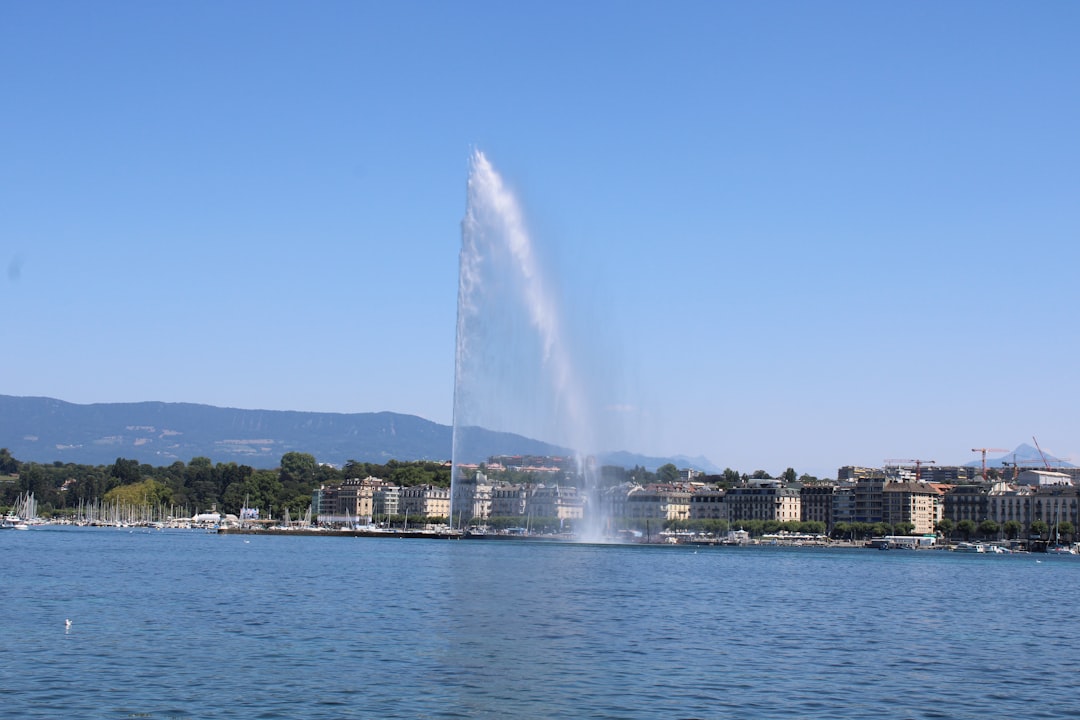
how high do you think the jet d'eau actually is?
>140m -- most people guess between 30-100m. the lake has so much better to offer than this jet though: sunrise concerts on the quai in summer, and sauna with lake plunge in winter. recent years have seen a wonderful expansion of beach areas, restaurants & bars. plus, free concerts, fitness and dance courses. everything is maintained in great condition with minimal tax on you. and i haven't grown numb to living in a postcard after more than a decade here.
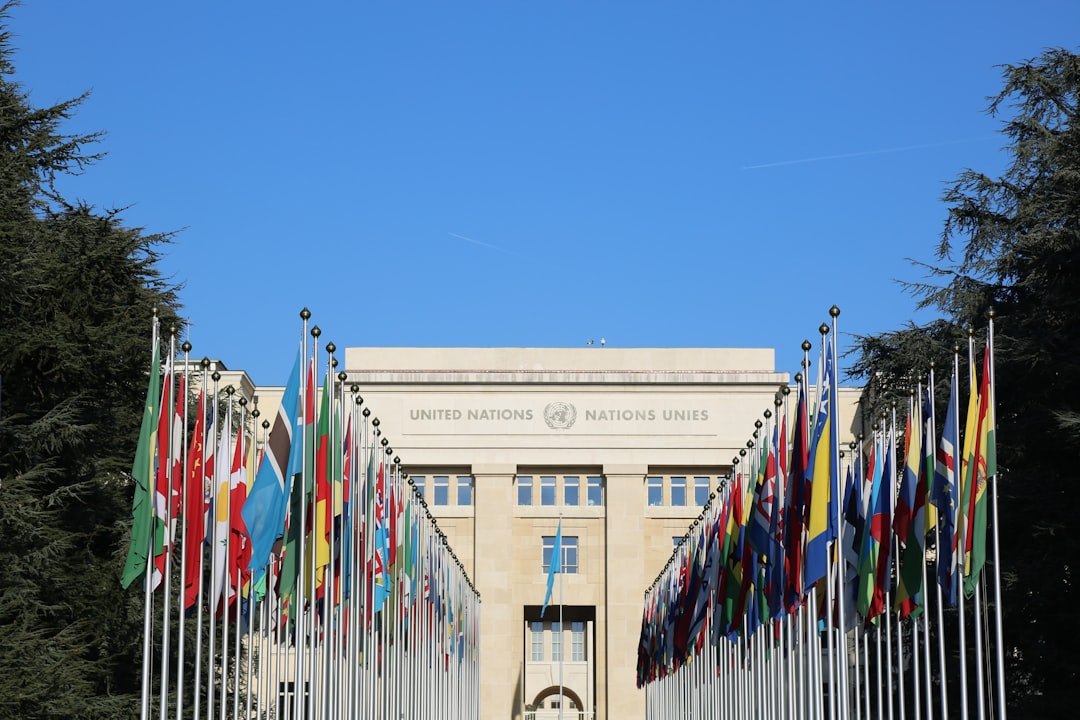
international geneva
geneva hosts countless international organizations, companies, ngos, research labs, and foundations. the city runs some of the most crucial international coordination and cross-cultural negotiations operations across business, science, and diplomacy. the density of altruistic, hard working individuals is unmatched. the main thing that's missing is a tinge of the 'tism and ambtion à la the bay area.
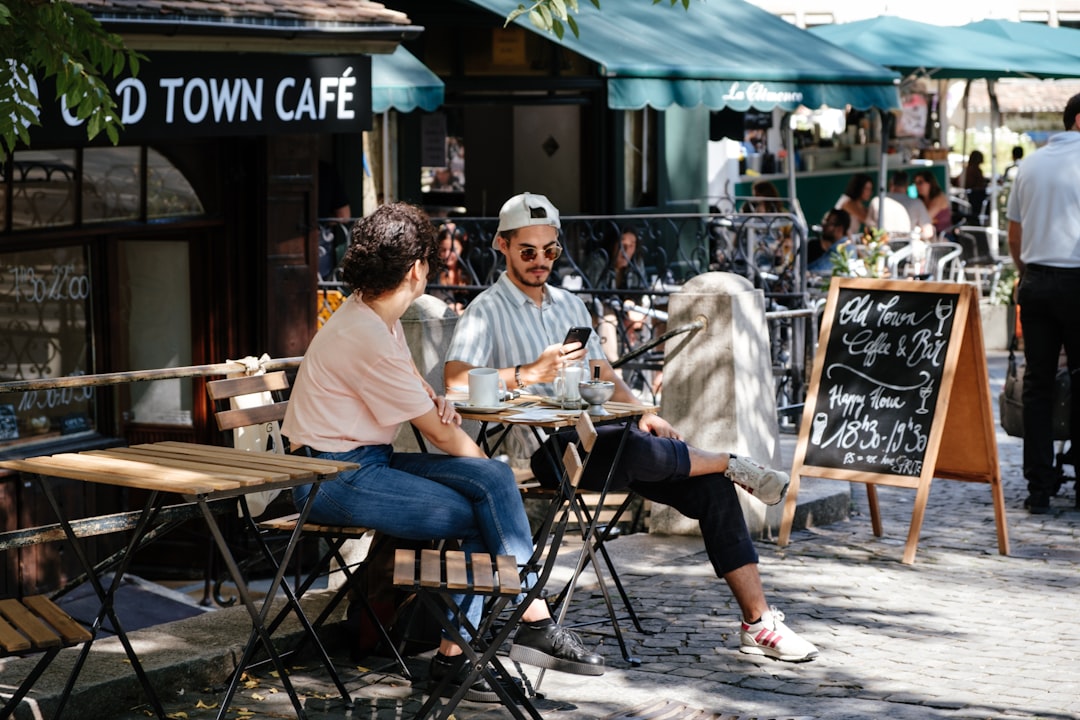
diversity that actually mixes
over 40% of geneva's residents are foreign nationals — and that's before counting dual citizens. french, portuguese, italian, spanish communities are the largest, but you'll find people from every continent. unlike london's patchwork of self-contained neighborhoods, geneva's small size forces mixing. the same café, the same tram, the same park. your kids' classmates come from 30 countries. it's cosmopolitan not as an aspiration but as a structural fact.
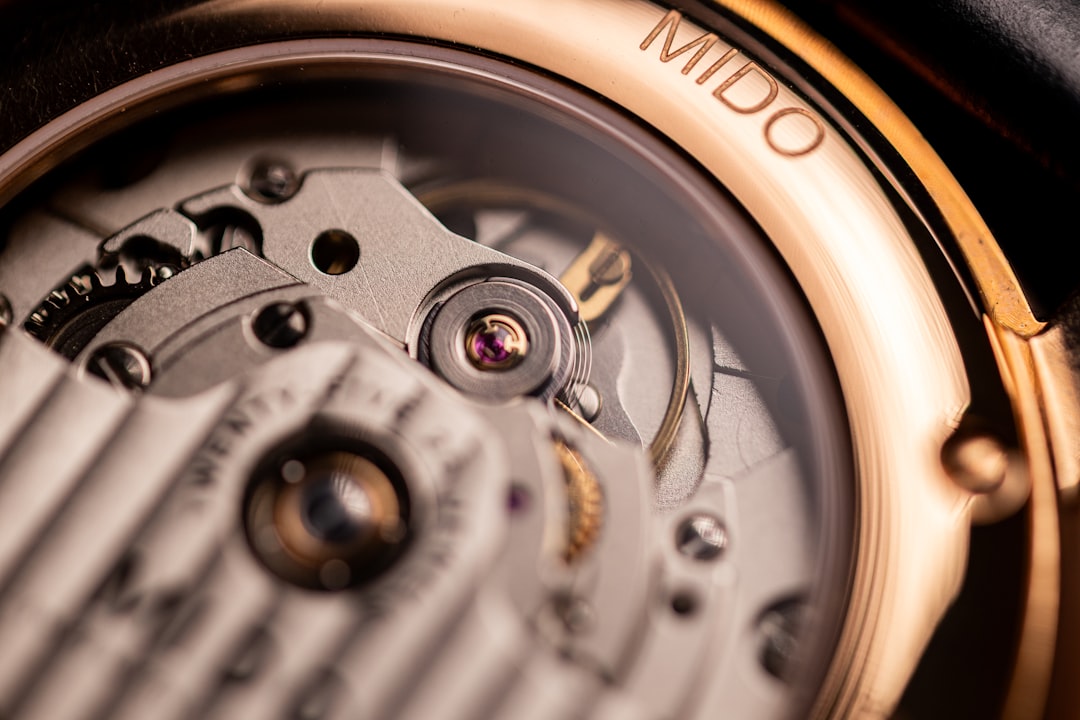
precision & craft
yes, patek philippe, rolex, vacheron constantin — they're all here. but the culture isn't flashy: the locals value precision, patience, and craft. that ethos seeps into everything: the trains run on time, the fondue is taken seriously, the public spaces well kept, and people show up when they say they will (+/- 15 minutes). the flashy things are usually owned by foreigners.
the alps next door
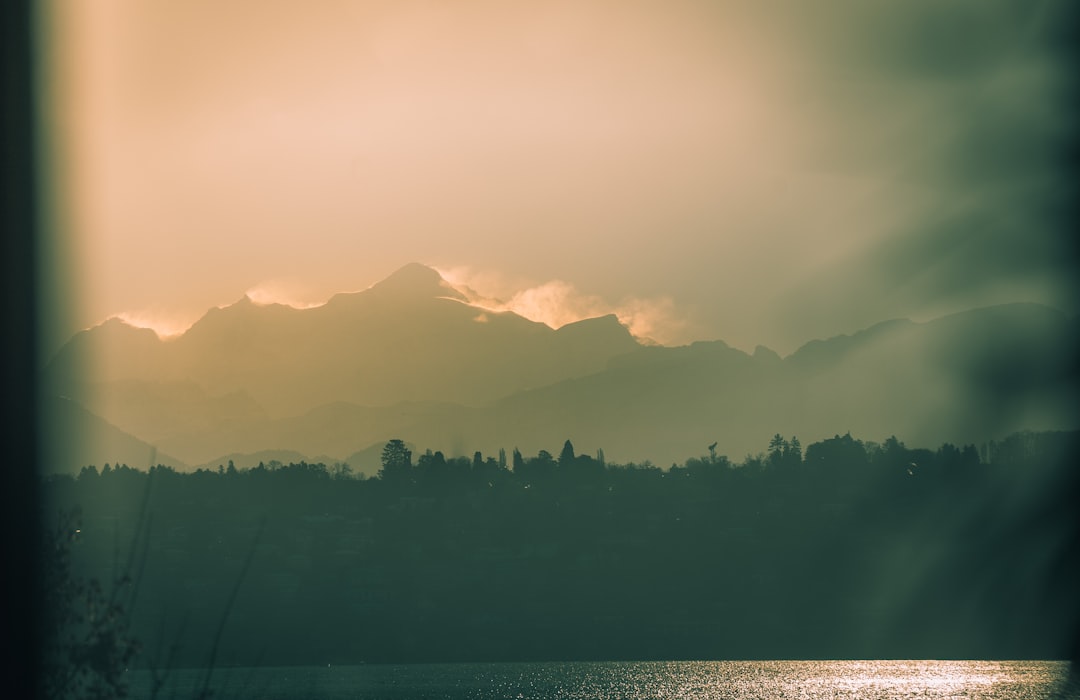
on a clear day you can see mont blanc from the city center — the highest peak in western europe, only 80 kilometers away. skiing is an hour away. hiking starts at the city limits. the jura mountains offer gentler terrain and wilder solitude. natural beauty is the permanent frame around daily life. and we're finally starting to build higher buildings, too!
geneva doesn't try to sell itself. but if you value intellectual density, genuine diversity, natural beauty, and a place where kids can grow up with a wide aperture on the world — it's hard to beat. all you need is people to invite you to the non-public events. hit me up!